
House Hacking in Springfield, MO
Buy a duplex, live in one side, rent the other. It’s one of the most beginner-friendly ways to build wealth through real estate — and Springfield’s market is built for it.
What is house hacking?
House hacking is buying a small multi-unit property — usually a duplex — living in one unit as your primary residence, and renting out the other. The rent from your tenant offsets your mortgage payment, sometimes covering most or all of it. You live for cheap (or free), build equity, and learn how to be a landlord on a property you actually live at.
It’s the closest thing real estate has to a starter pack for investing. You get owner-occupant loan terms (lower rates, lower down payments) while owning a property that produces income from day one.
Why Springfield is a strong house hacking market
- Affordable price points. Duplexes in the Springfield area are often listed in a range where the numbers actually work — not the half-million-plus pricing common in larger metros.
- Steady rental demand. Missouri State University, OTC, Drury, CoxHealth, and Mercy all bring in thousands of students, employees, and traveling professionals who need rentals.
- Landlord-friendly state. Missouri’s eviction and lease laws are generally more straightforward than tenant-heavy states like California or Illinois.
- Room to grow. Springfield is the third-largest city in Missouri and continues to add jobs — long-term rental fundamentals stay solid.
The numbers: a worked example
This is a simplified illustration to show the mechanics. Your actual numbers will vary based on the property, your loan, taxes, and insurance.
$250,000 duplex, FHA 3.5% down
*PITI = principal, interest, taxes, insurance, and mortgage insurance. Estimate based on typical rates and Greene County tax averages. This is not a quote — talk to a lender for real numbers.
Even if rent only covers half your payment, you’re paying significantly less to live there than you would for a comparable single-family home — and your tenant is helping pay down your mortgage.
Loan programs that work for house hacking
Each of these is an owner-occupied loan, meaning you have to live in the property as your primary residence for at least 12 months. All three allow 1–4 unit properties.
FHA Loan
3.5% down on 1–4 unit properties. The most common path for first-time house hackers because the down payment is low and credit requirements are flexible.
VA Loan
0% down for eligible veterans, active duty, and qualifying surviving spouses. Works on duplexes if you occupy one unit. No PMI. Zac is an Air Force veteran and has used VA loans himself.
Conventional Loan
5% down minimum on owner-occupied duplexes. Higher credit and reserve requirements than FHA, but no upfront mortgage insurance premium and PMI drops off at 80% loan-to-value.
How to do it: step by step
- Get pre-approved. Before you tour anything, get a real pre-approval from a lender who has done multi-unit owner-occupied loans before. Not all loan officers are comfortable with them — we can point you to ones who are.
- Know your numbers. Figure out what rent you can realistically collect (we’ll pull comps from active and sold rentals in the area). Make sure the property cash-flows or comes close to it.
- Tour with a checklist. Separate utilities? Separate entrances? Each unit’s condition? Existing leases or vacant? These all matter more than they would for a single-family home.
- Make a smart offer. Multi-unit properties get bid up by investors. Owner-occupants have an edge with FHA/VA financing because sellers know those loans close cleanly.
- Inspect thoroughly. Get a real inspection. Then pay extra attention to the roof, HVAC, electrical panels, foundation, and any shared systems — one of those failing is your problem on both units.
- Move in. Find your tenant. Learn the ropes. Treat it like a business. Keep clear records. Build a relationship with a good handyman.
What to watch out for
Don’t skip these
- Tenant turnover and vacancy. Budget for at least one month a year of vacancy. If the other unit sits empty, you pay the full mortgage.
- Repairs come faster. Two kitchens, two HVAC systems, two of everything. Things break twice as often.
- Insurance. Landlord/rental dwelling policy required — not standard homeowner’s. Expect a slightly higher premium.
- Lender reserves. Some loans require you have 2–6 months of payments in reserve for multi-unit owner-occupied.
- Live-in landlord reality. Your tenant is right next door. Set expectations upfront, in writing, with a real lease.
- The 12-month rule. FHA and VA both require you to occupy the property for at least 12 months. Don’t plan to flip out of it before then.
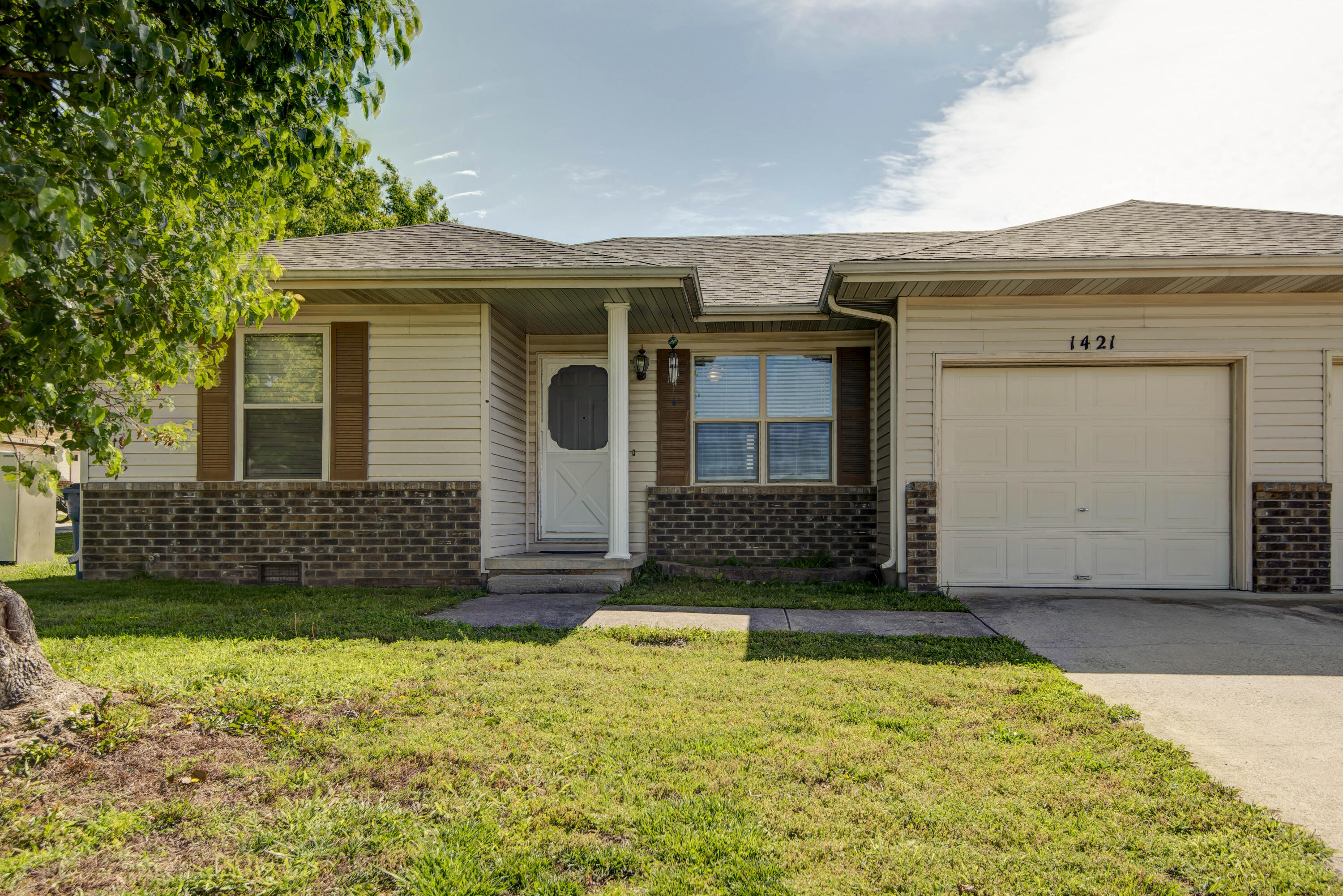
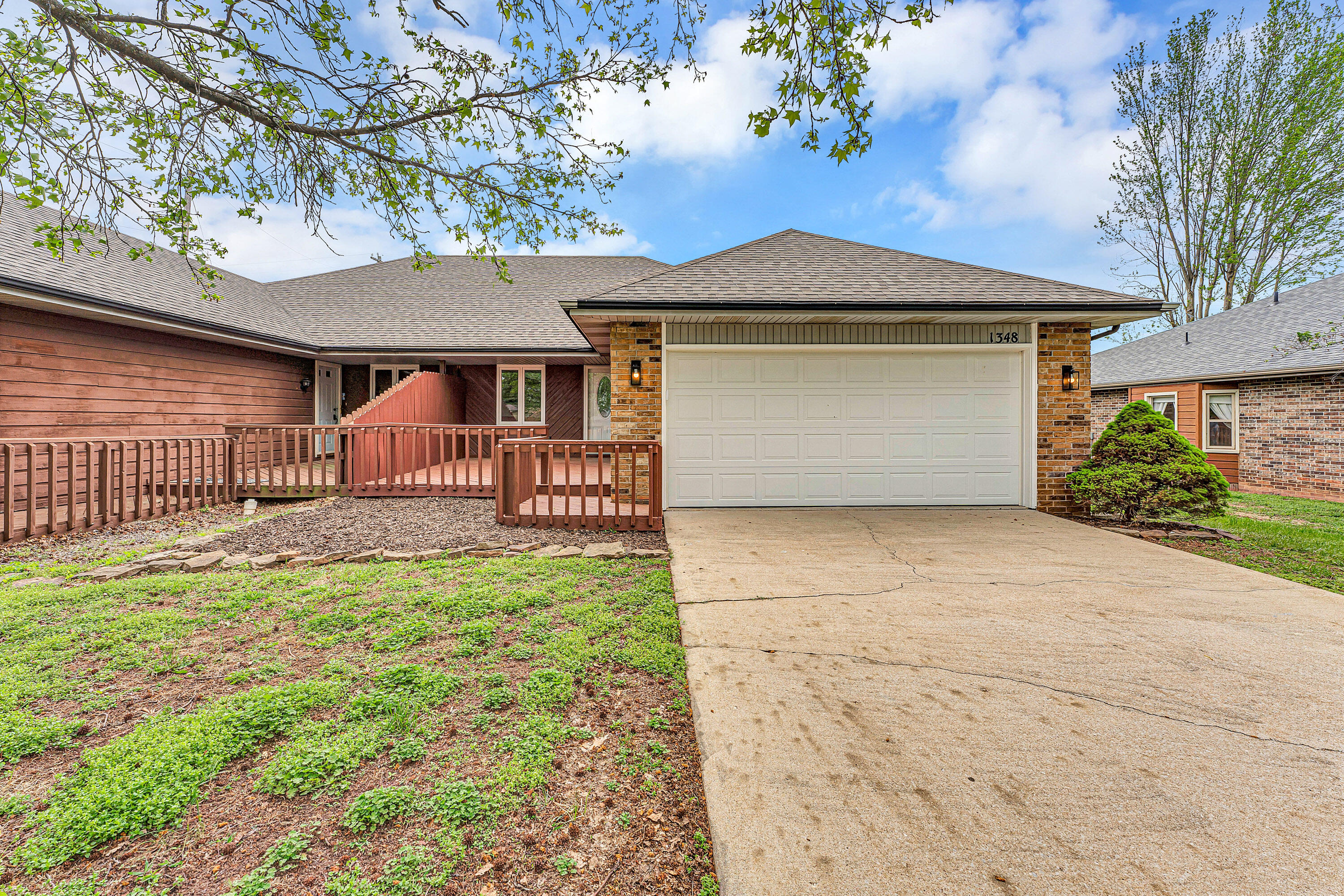
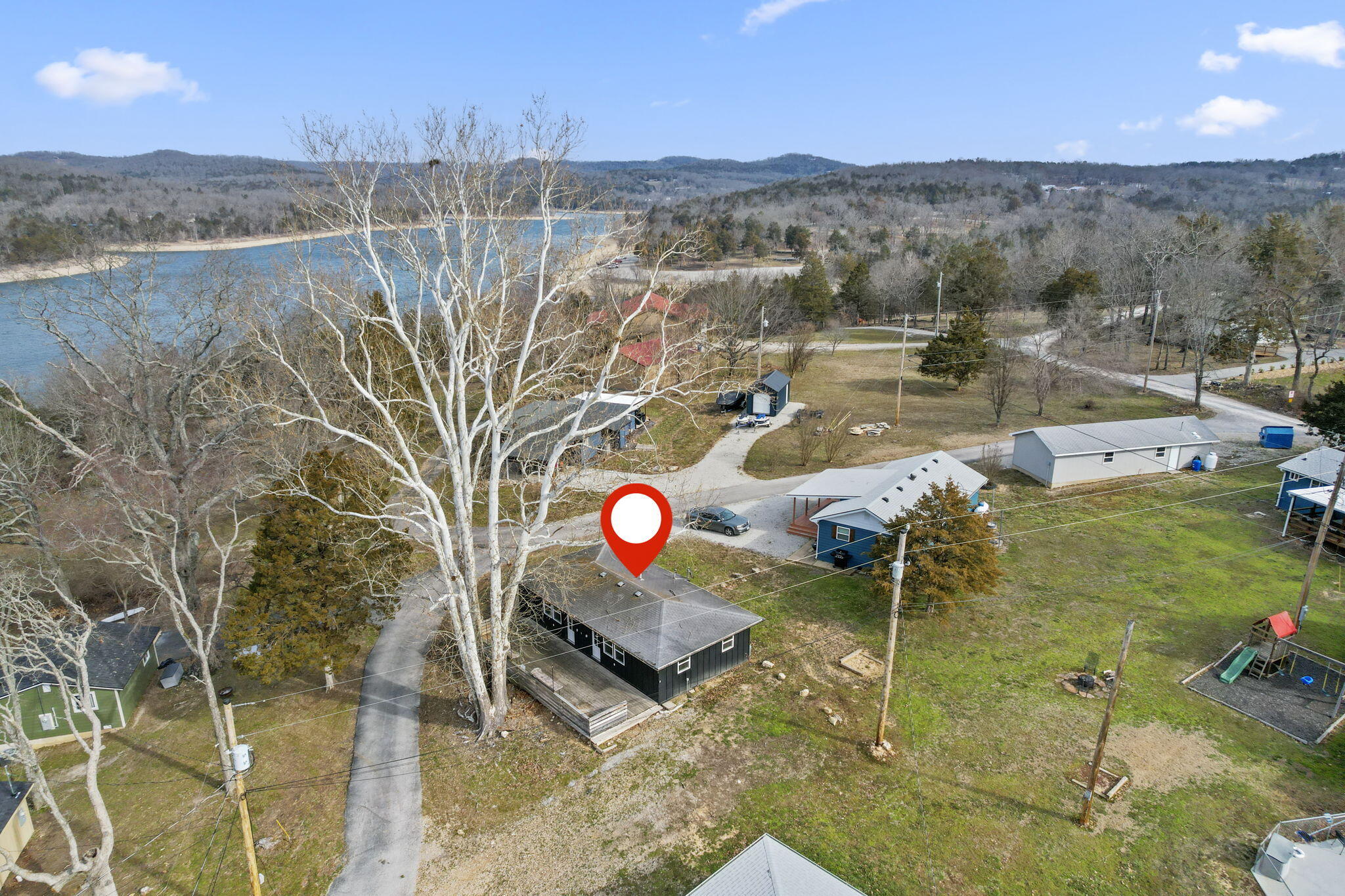
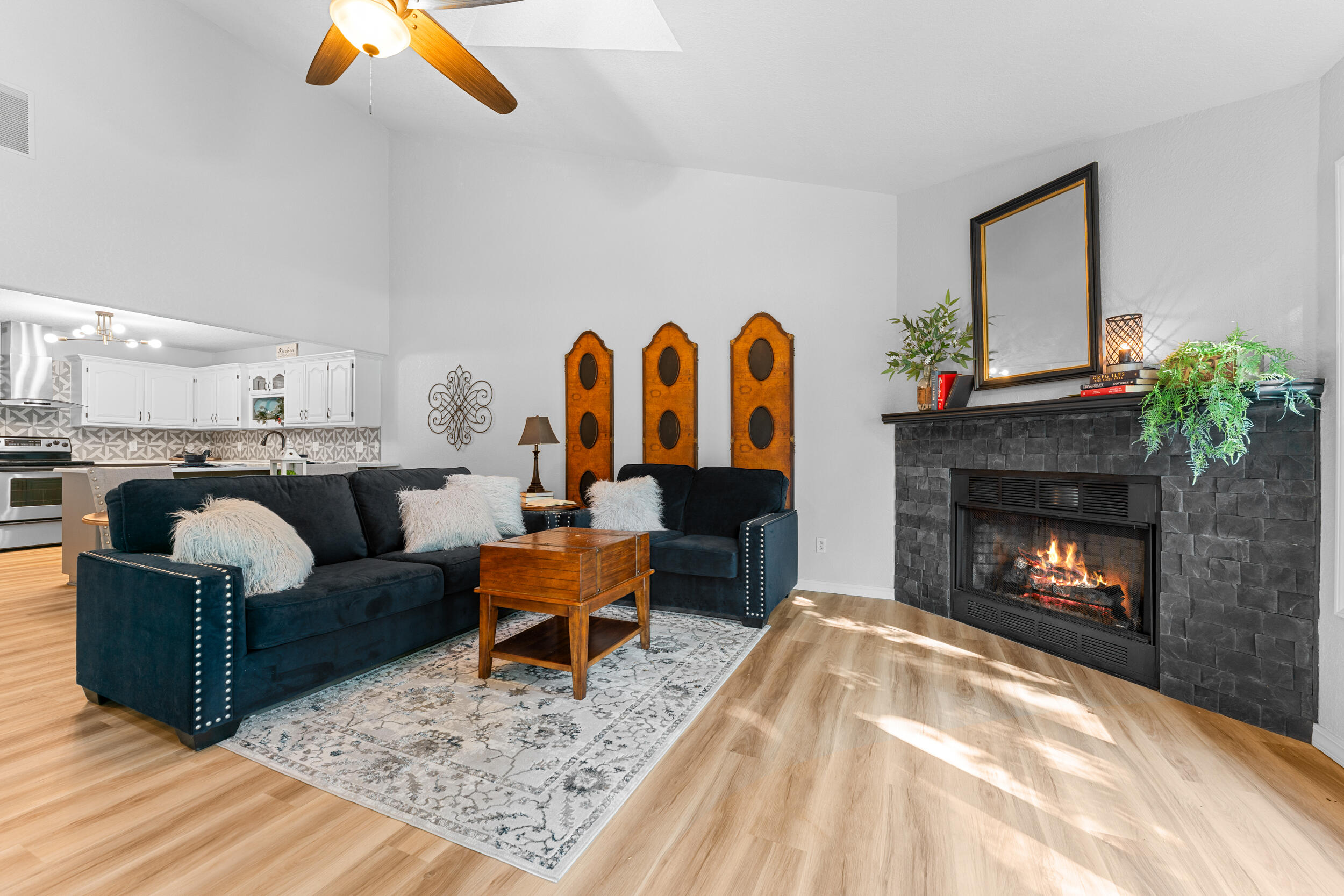
Active duplexes for sale in Southwest Missouri
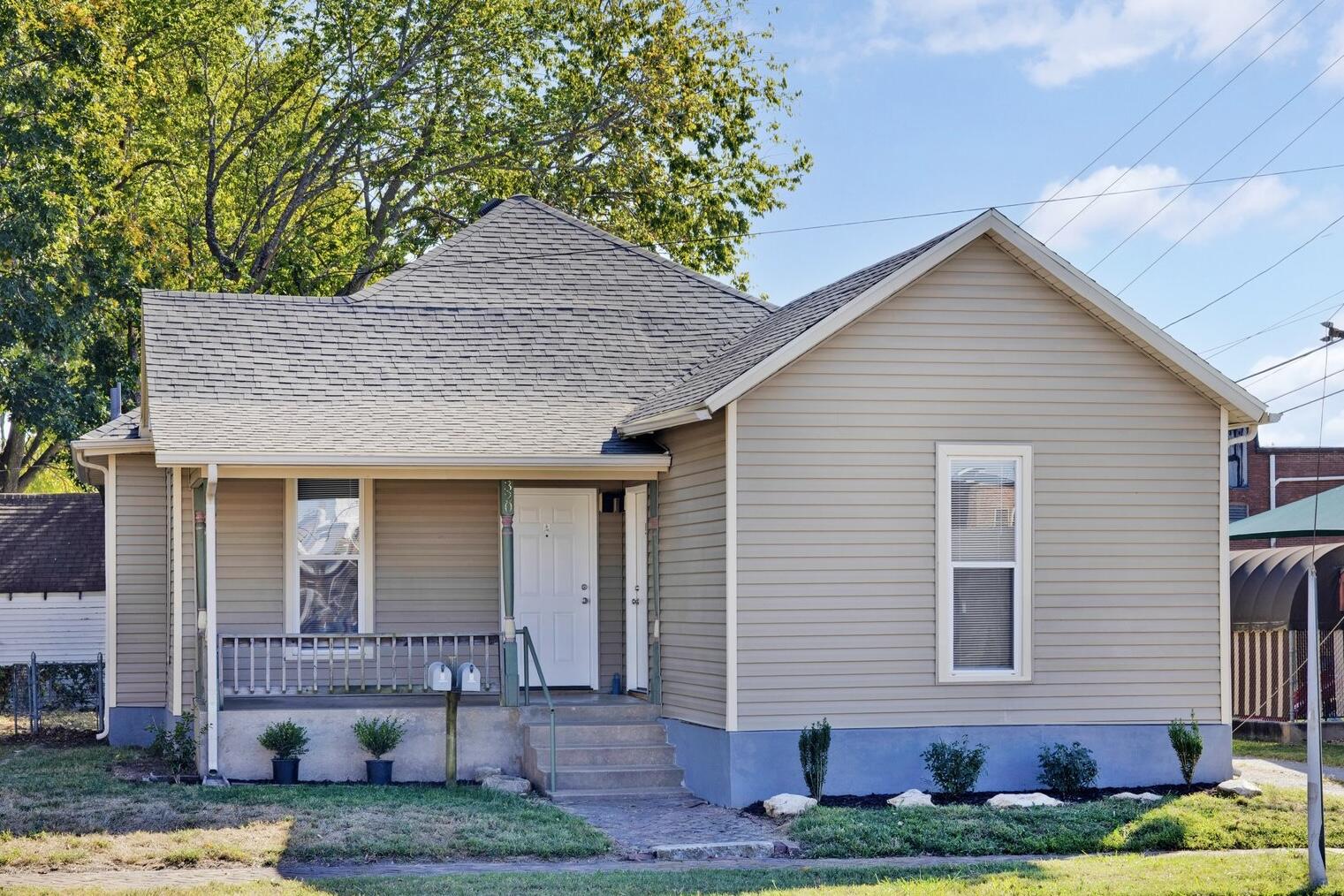
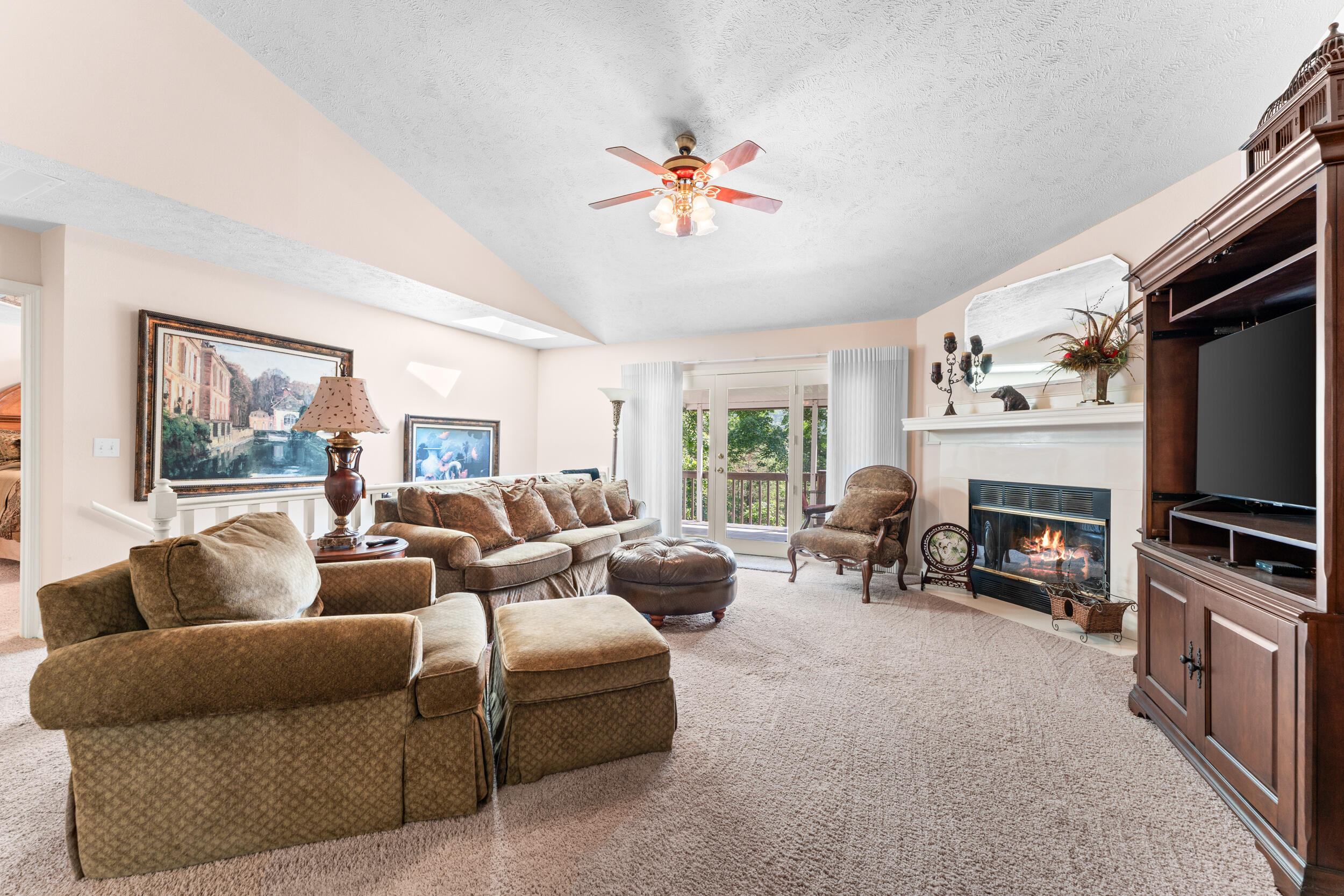
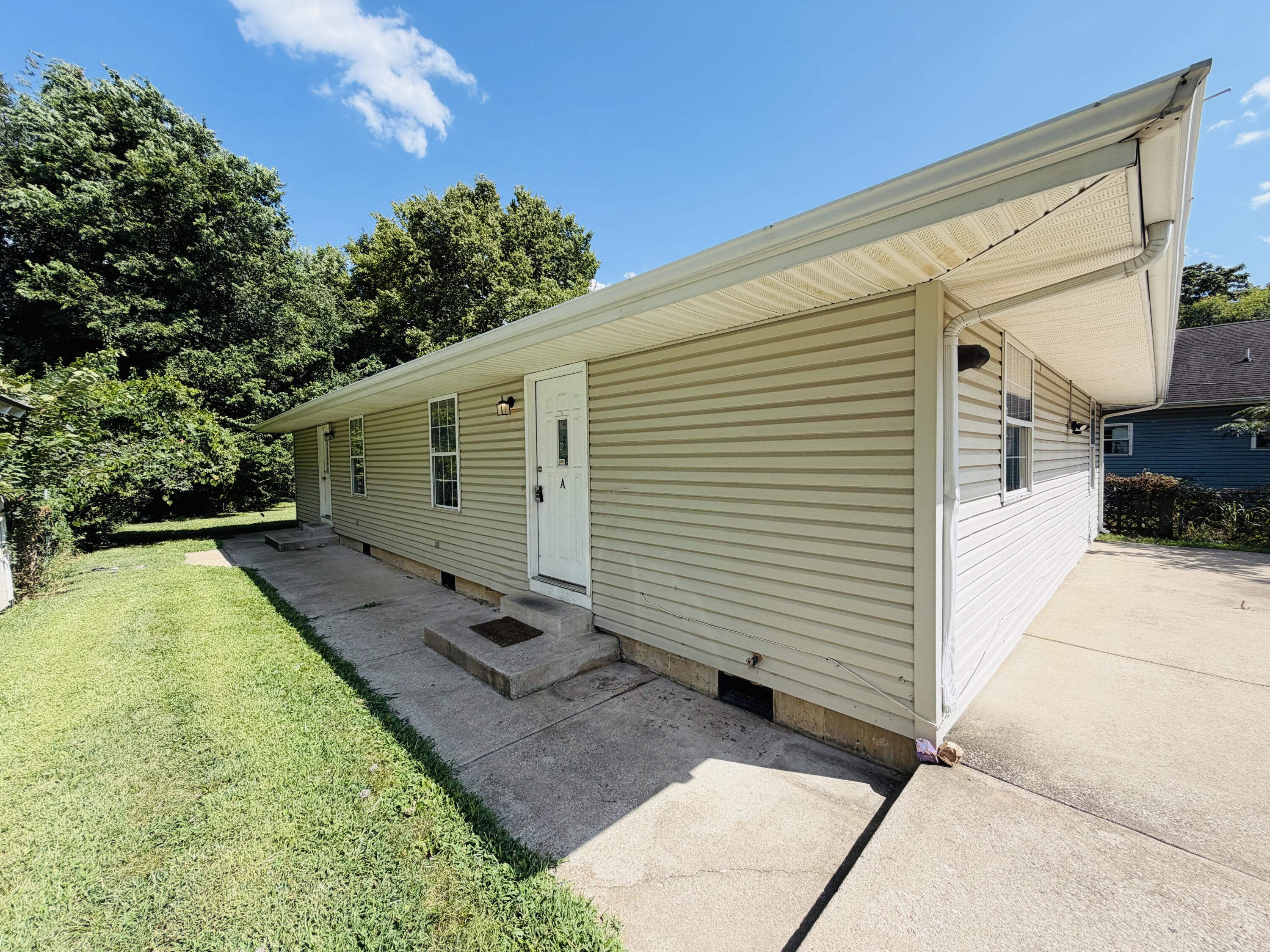
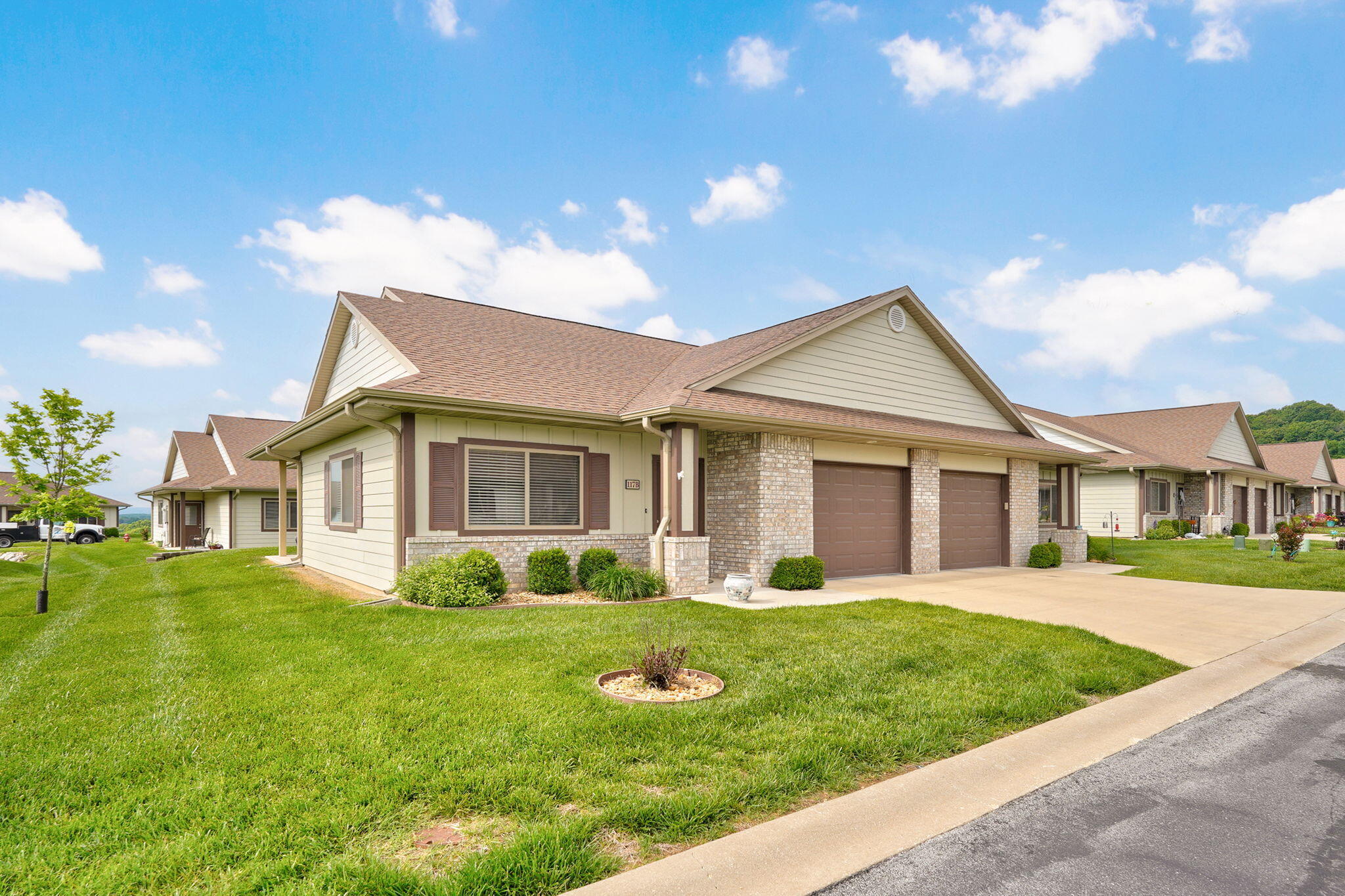
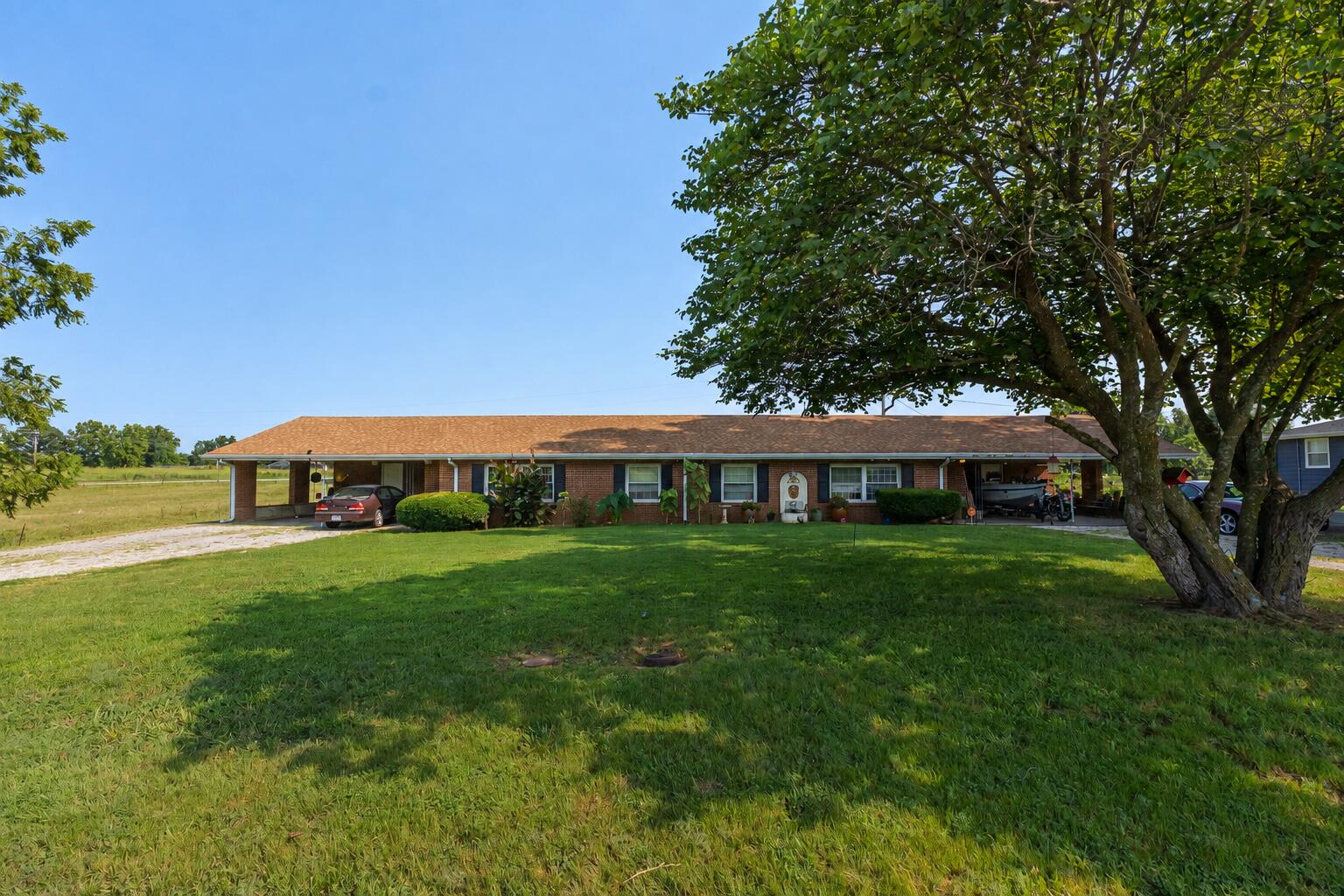
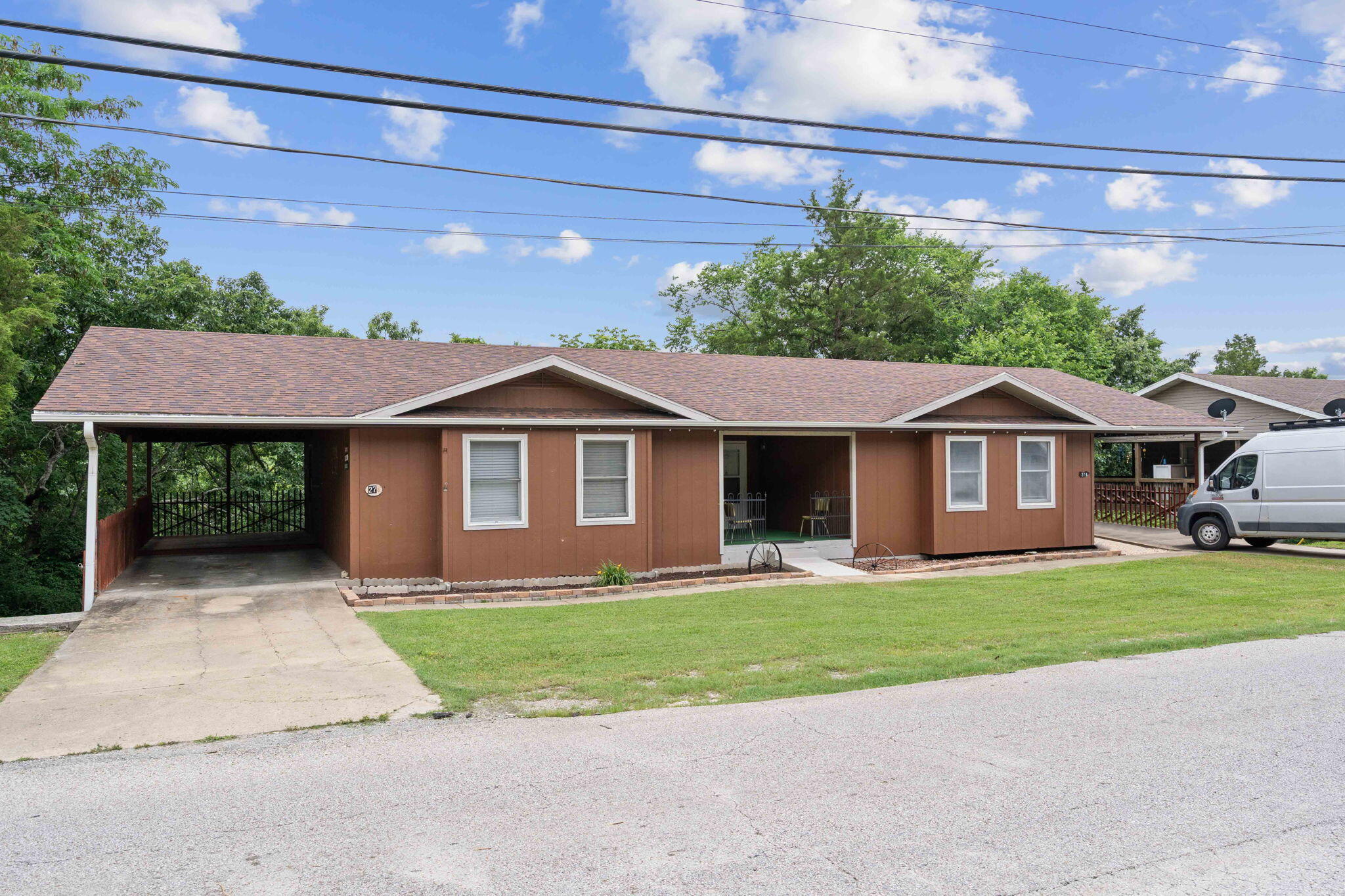
Browse current duplex listings across Greene, Christian, Webster, Polk, Dallas, Stone, and Taney counties — sorted by newest first.


House hacking FAQs
Do I have to live there forever?
No. FHA and VA both require you to occupy the property as your primary residence for at least 12 months. After that, you can move out, keep renting both sides, and the property becomes a full investment property. Many house hackers repeat the process every couple of years.
Can I use rental income from the other unit to qualify for the loan?
Often, yes. FHA, VA, and conventional all have rules that let you count a portion of the projected rent (typically 75%) toward your qualifying income. The specifics depend on the lender and whether the unit is currently leased. Talk to a lender before you assume anything.
What’s the difference between a duplex and a townhouse?
A duplex is one building with two separately-rentable units owned on a single parcel. A townhouse is one unit in a row of attached homes, each individually owned. Townhouses don’t house hack the same way — you’d own one unit, not the whole building.
Can I use down payment assistance with house hacking?
Sometimes. Many DPA programs allow 1–4 unit owner-occupied purchases, but rules vary by program. Missouri Housing Development Commission (MHDC) is the most common path. See our DPA page for current options.
What if I’m a first-time buyer? Is house hacking too complicated?
House hacking is more involved than buying a single-family home, but it’s far from too complicated. First-time buyers do it successfully all the time. The keys are working with an agent and lender who’ve done multi-unit deals before, and going in with realistic expectations about being a landlord.
Are duplexes a good investment if I don’t live in one?
Yes — that’s a different strategy though, and the loan terms change. Non-owner-occupied investment loans usually need 20–25% down with higher rates. Most people house hack first to build experience and equity, then transition to pure investment later. See our Investment Properties page for that route.
Ready to explore house hacking?
Let’s talk through the numbers, get you pre-approved with a lender who knows multi-unit owner-occupied loans, and start looking at duplexes that actually cash-flow. No pressure, no obligation.
Start the ConversationHow It Works
Use our AI-Powered Real Estate Search Chat
Click the Search for Homes button (bottom-right) and ask in plain English — the chat understands buyer questions, neighborhoods, schools, loan types, and more. Try asking things like:
- ➤ "3 bed 2 bath under $250K in Nixa with a garage"
- ➤ "USDA eligible home with a big yard near Fair Grove"
- ➤ "New construction in Ozark under $375K"
- ➤ "Investment property near Springfield under $150K"
- ➤ "4 bedroom in the Ozark school district under $350K"
Prefer Talking to a Person?
We answer our phone. Free consultation, no pressure.
📞 Call 417-413-4305 Send a MessageReady to Find Your Home?
Veteran-owned. AI-powered. We answer our phone.