
Land for Sale in Southwest Missouri
Residential lots, recreational acreage, hunting tracts, and build-ready land across Greene, Christian, Webster, Polk, and Dallas counties. From in-town building lots in Springfield, Nixa, and Ozark to remote recreational tracts deep in the Ozarks — live MLS inventory updated continuously, with prices that remain competitive vs. most other Midwestern markets.
Buying land in Southwest Missouri
Buying land is different from buying a house — access, utilities, topography, soil, zoning, and financing all change the math, and the wrong parcel can be hard to build on or resell. Whether you want a build-ready lot in Springfield, Nixa, or Ozark, recreational or hunting acreage, pasture for animals, or a large tract to hold, we help you find the right ground and understand exactly what you are buying before you commit.
Zac is a Southwest Missouri native who has bought, sold, and developed land here personally. That means practical guidance on what actually matters with raw land: legal access and easements, well and septic feasibility, flood plain and topography, utility runs, and what a parcel is realistically worth per acre for its use. We will tell you when a tract is a deal and when it is a money pit.
Land & lots for sale across Greene, Christian, Webster, Polk & Dallas counties
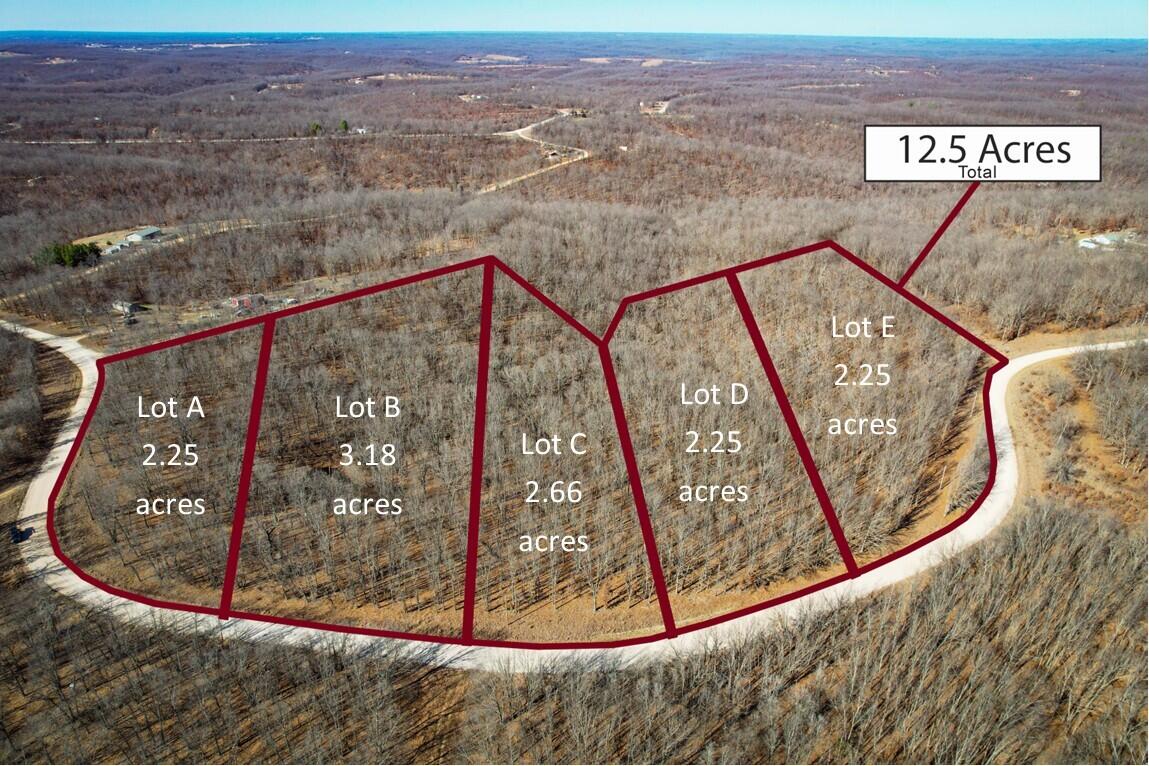
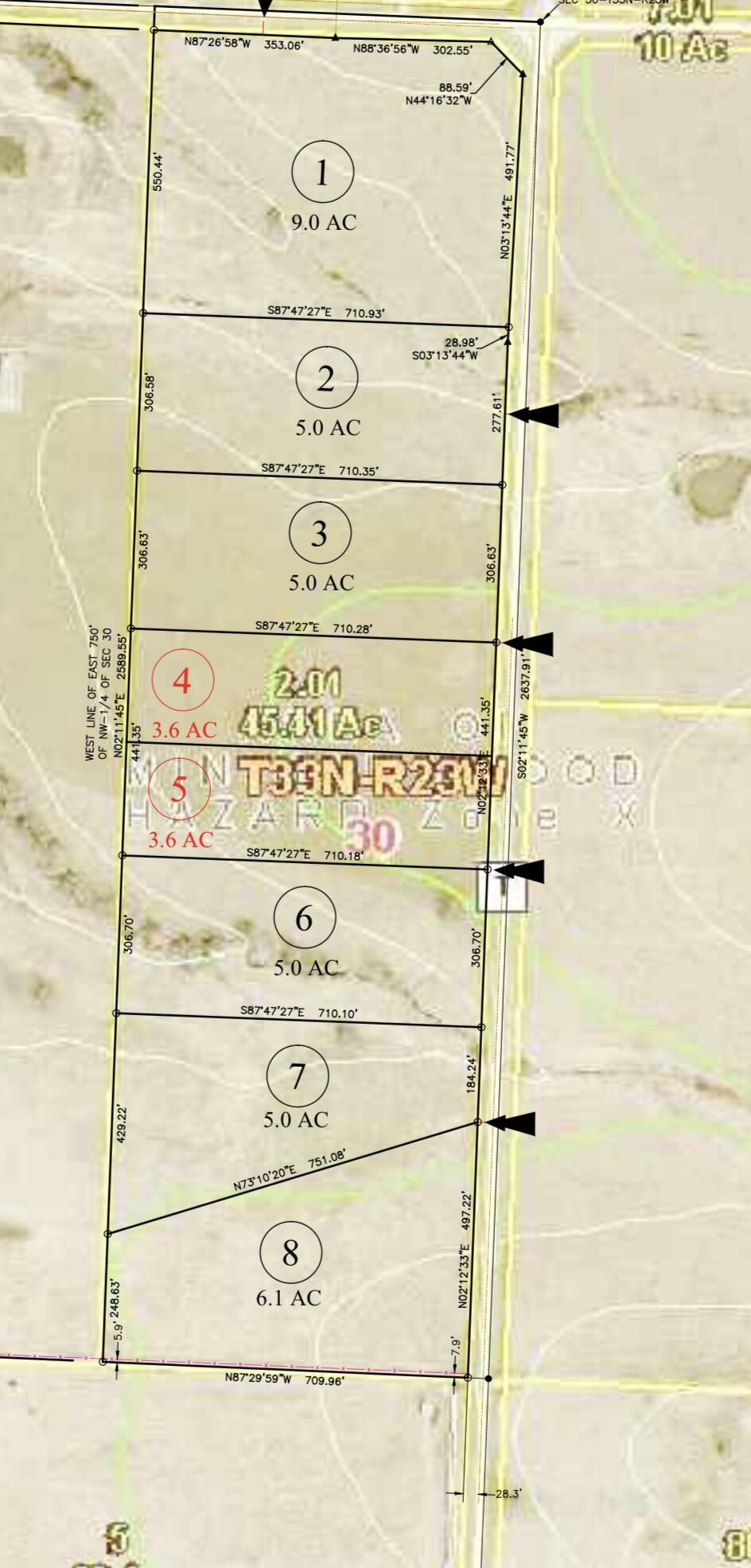
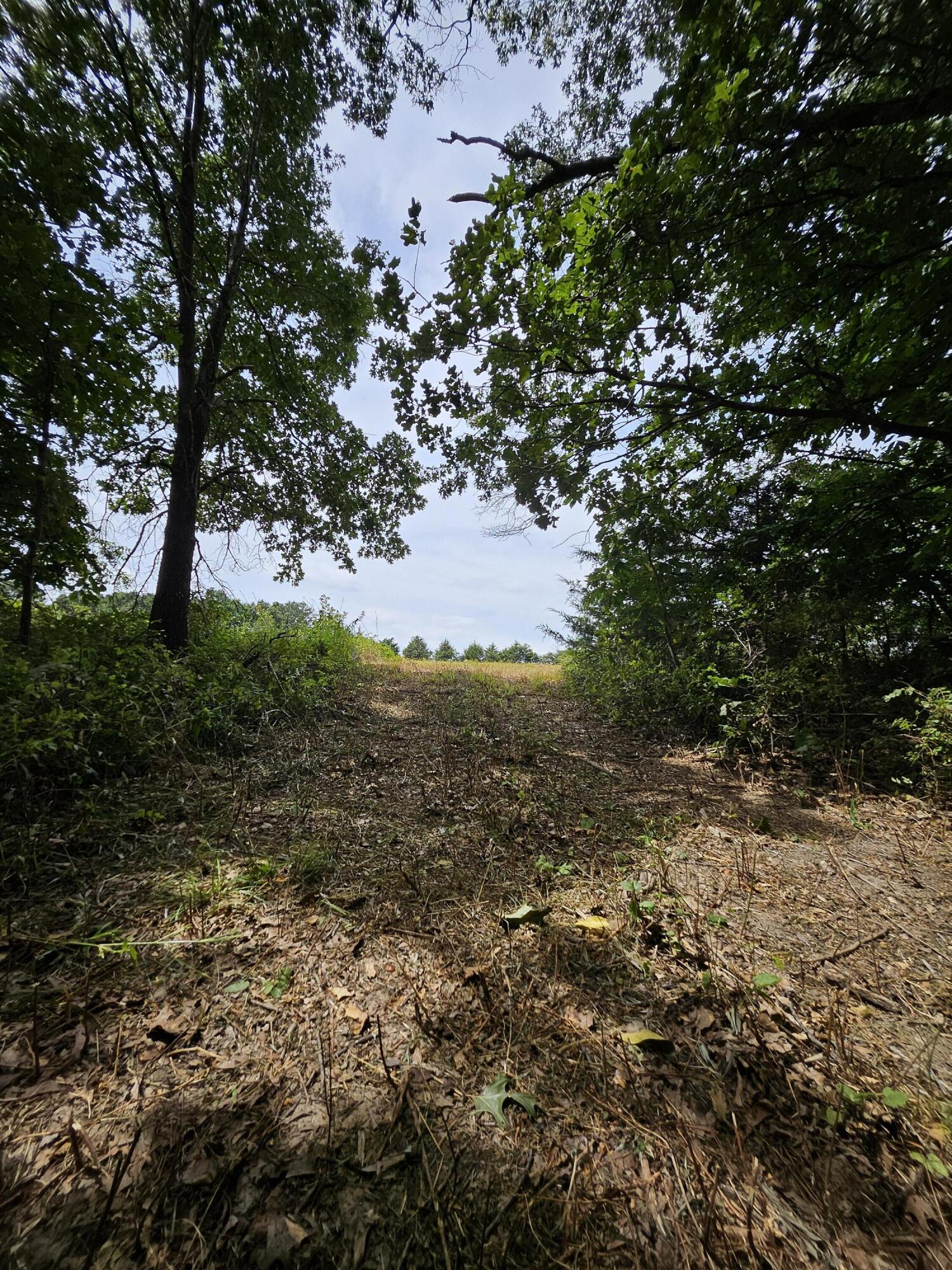
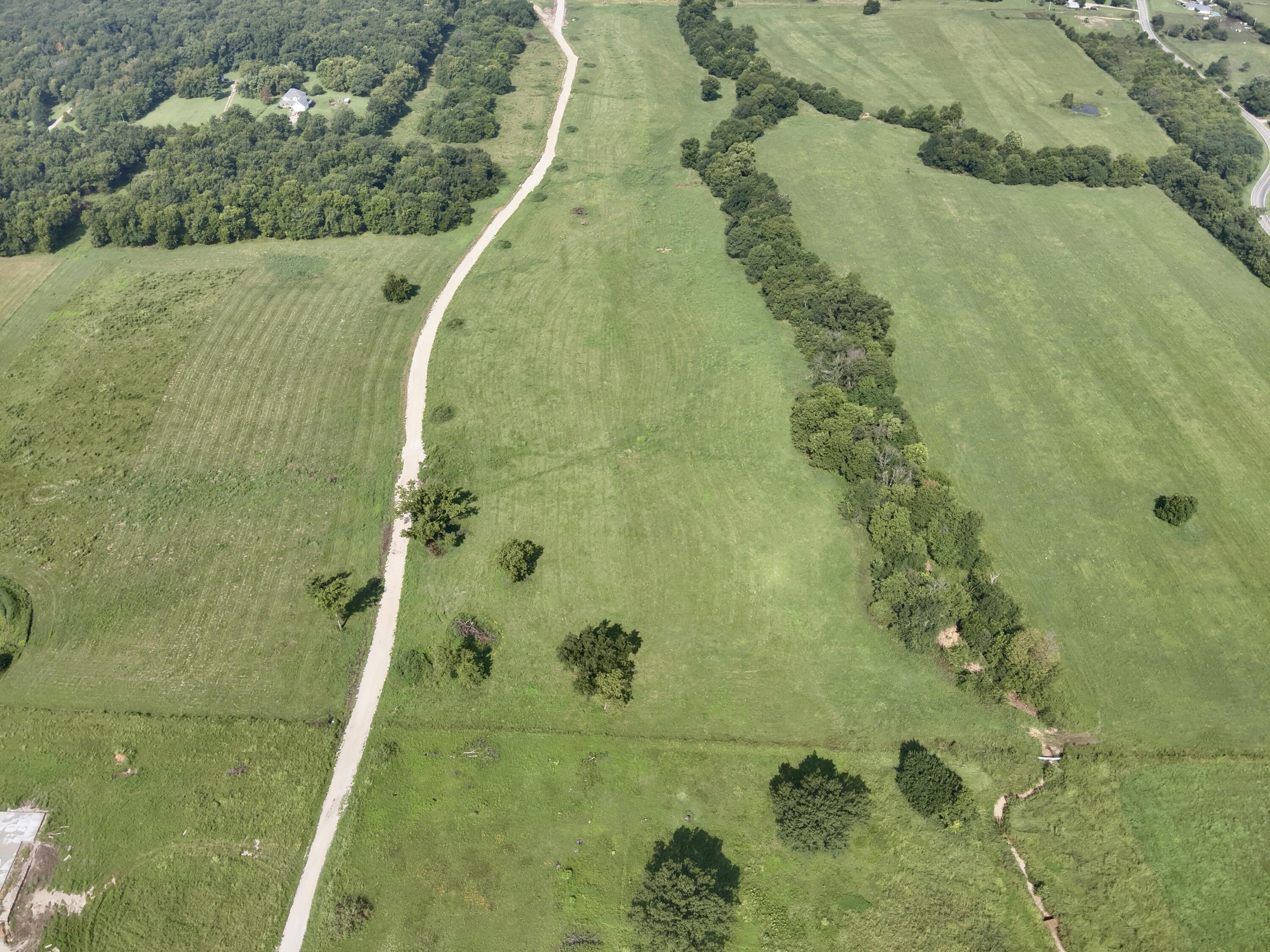
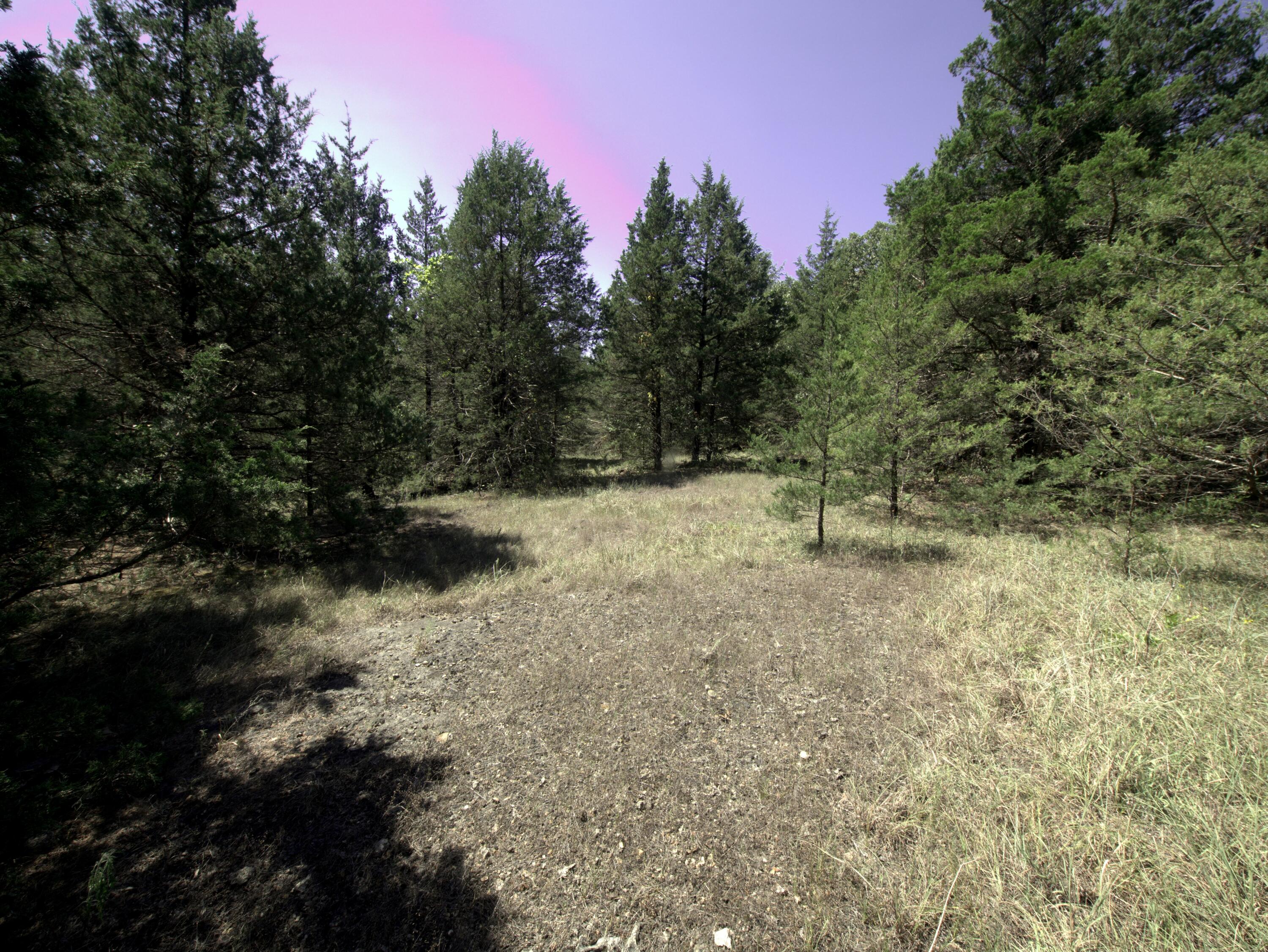
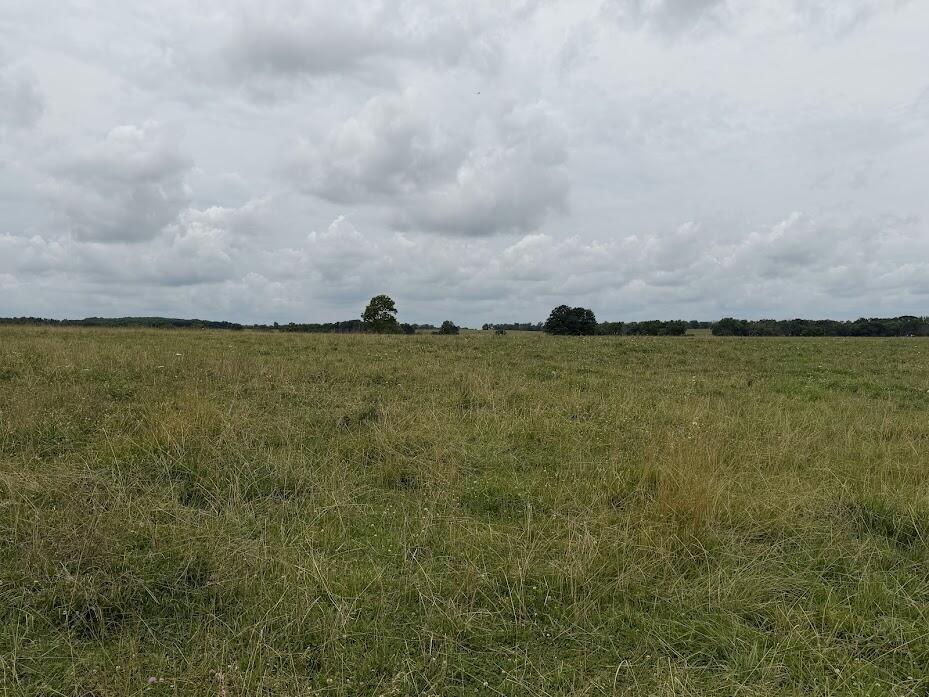
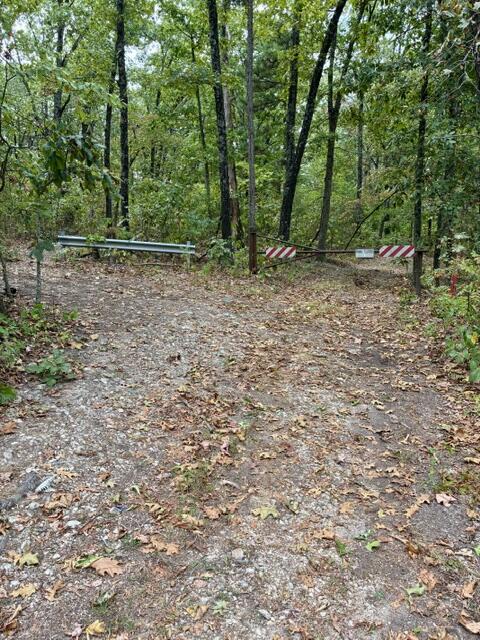
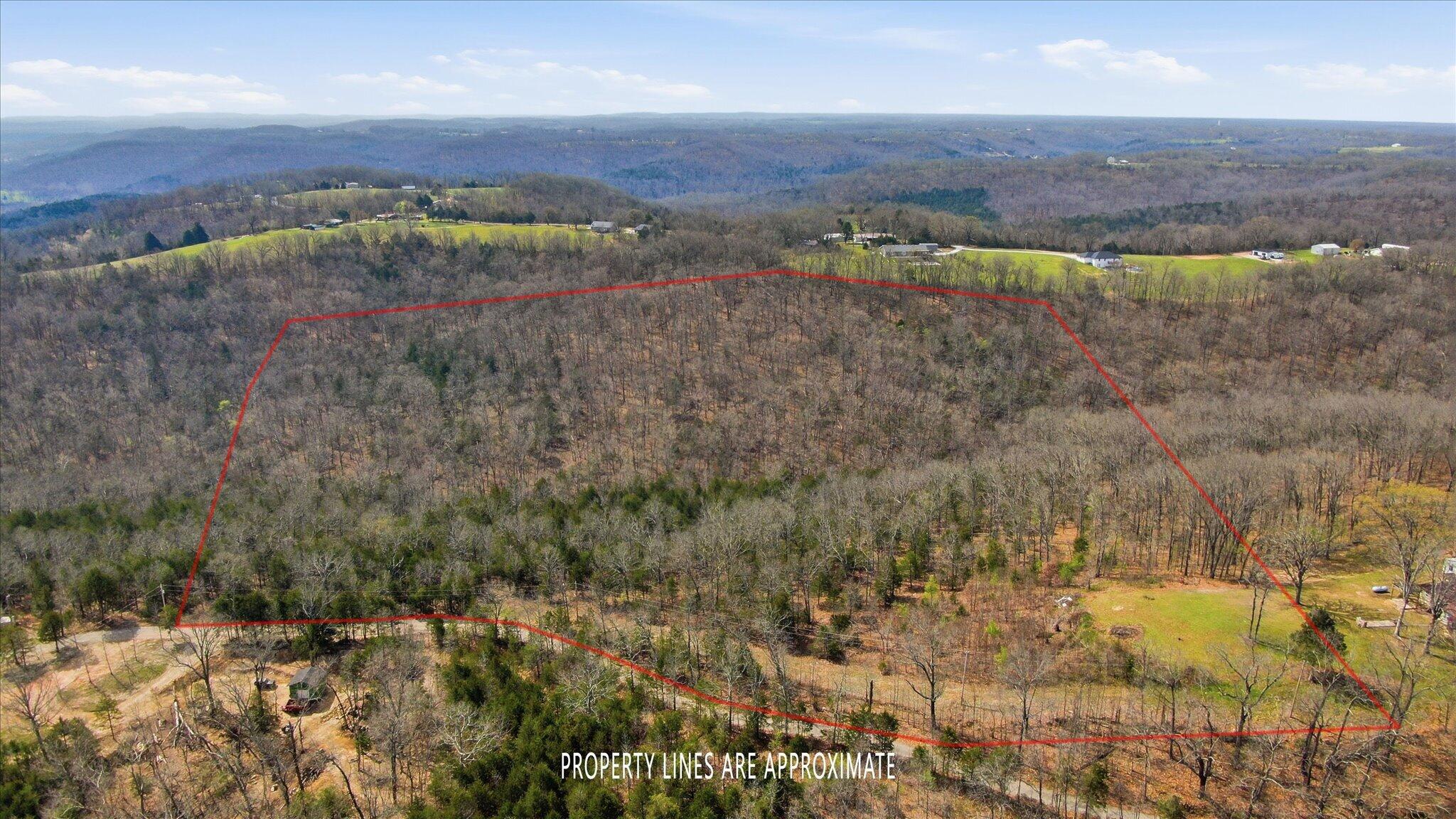
Here is current land and acreage inventory across Southwest Missouri. Click any listing for full details, maps, and photos.

Frequently asked questions about buying land
Where can I buy raw land in Southwest Missouri?
Most raw and rural land inventory is in Greene, Christian, Webster, Polk, and Dallas Counties. Smaller acreage tracts (1 to 10 acres) are concentrated near smaller towns like Marshfield, Fair Grove, Ash Grove, Buffalo, and Pleasant Hope. Larger tracts (40+ acres) are typically in more rural areas of Webster and Dallas Counties. Prices vary widely by county, road frontage, water access, and timber.
How much does land cost per acre in Southwest Missouri?
Pricing depends heavily on location, access, topography, and use. Tillable cropland typically runs $4,000 to $8,000 per acre. Pasture and hay ground runs $3,000 to $6,000 per acre. Wooded recreational land runs $2,000 to $5,000 per acre. Land closer to Springfield with paved road frontage and utilities can run $10,000 to $30,000+ per acre, especially for residential or development use.
What loan options are available to buy land?
Land loans are different from home loans. Options include traditional bank land loans (typically 20 to 30 percent down, 10 to 20 year terms), Farm Credit loans for ag-use land, USDA Section 502 if you plan to build a primary residence, owner-financing when sellers offer it, and home construction loans that bundle the land purchase with the build. Rates run 1 to 2 percentage points above home mortgage rates.
Can I get a USDA loan to buy land and build a home?
Yes, with conditions. USDA Rural Development loans can finance land purchase combined with construction in eligible rural areas (which covers most of Southwest Missouri outside Springfield). The land must be intended for your primary residence, the build must start within a defined window, and you must meet USDA income limits. We have lenders specifically experienced in USDA construction loans.
What should I check before buying rural land?
Six big things: legal access (recorded easement or public road frontage), utilities (electric, water source, sewer/septic feasibility), zoning and use restrictions, soil percolation tests for septic, flood plain status, and mineral rights. Many rural Missouri parcels have complications in one or more of these areas. We walk every land deal through this checklist before you make an offer.
How does buying acreage with a home work compared to a regular home purchase?
Acreage purchases involve a more thorough inspection: well and septic test, fence condition review, outbuilding evaluation, and sometimes a land survey. Appraisals are also more complex because comparable sales for unique acreage properties are limited. Loan options narrow above 10 acres. Our agents are familiar with the process and connect you with surveyors, well-and-septic inspectors, and rural-specialty lenders.
What are the property tax implications of owning land in Missouri?
Agricultural-use land in Missouri receives a significantly reduced tax assessment, often valued at $5 to $200 per acre rather than market value. To qualify, the land must be in active agricultural use (hay production, cattle, crops, or timber). If you are buying for residential or recreational use, expect normal market-based property tax assessment. We can connect you with the county assessor before closing to clarify your situation.
Are there development restrictions on rural land in Greene or Christian County?
Yes, but they are lighter than urban areas. Counties have minimum lot sizes for residential builds (often 1 to 3 acres in unincorporated areas), road frontage requirements for buildable lots, and septic system regulations. Some areas have HOA covenants that restrict structure size, livestock, or use. Always check the county GIS, plat, and deed restrictions before assuming you can build what you want.
Ready to find the right piece of land?
Tell us what you are looking for — acreage, use, budget, and area — and we will send matching parcels and flag the ones worth a closer look. No pressure, and no obligation.
Get started or call 417-413-4305.
How It Works
Use our AI-Powered Real Estate Search Chat
Click the Search for Homes button (bottom-right) and ask in plain English — the chat understands buyer questions, neighborhoods, schools, loan types, and more. Try asking things like:
- ➤ "3 bed 2 bath under $250K in Nixa with a garage"
- ➤ "USDA eligible home with a big yard near Fair Grove"
- ➤ "New construction in Ozark under $375K"
- ➤ "Investment property near Springfield under $150K"
- ➤ "4 bedroom in the Ozark school district under $350K"
Prefer Talking to a Person?
We answer our phone. Free consultation, no pressure.
📞 Call 417-413-4305 Send a MessageReady to Find Your Home?
Veteran-owned. AI-powered. We answer our phone.